



Behind India’s rapid development lies a strong mix of skilled hands and professional minds. That’s why in 2026, India is one of the world’s largest labour markets in the world, with a huge population of young workers, including both skilled and professional workers. Today, nearly 50–55 crore (500–550 million) people are part of the working population. Every year, over 1 crore youth receive training under skill development programs, around 20 lakh engineers graduate, and nearly 50 lakh professionals enter different fields.
Together, skilled and professional workers play an important role in contributing to India’s economy and GDP. However, these two groups are different in terms of education, training, responsibilities, work style, and career paths. Understanding the difference between skilled and professional workers is important for students, employers, job seekers, and businesses. This blog explains the meaning, characteristics, examples, advantages, and major differences between skilled and professional workers.
What is a Skilled Worker?
Skilled workers are an essential part of the human resource ecosystem. They are individuals who come with specialized knowledge, education, training, skills, experience, or certifications in a particular trade or profession to perform their jobs accurately. Their expertise allows them to deliver higher productivity and earn better wages compared to unskilled workers. Skilled workers typically handle tasks that require technical or practical knowledge, such as electricians, plumbers, drivers, mechanics, and cooks. These workers don’t just fix our everyday problems; they actually help industries grow, improve productivity, and drive innovation. Their contribution is crucial for innovation, efficiency, and overall economic growth.
Key Characteristics of Skilled Workers
- Possess technical or practical skills
- Usually trained through vocational programs
- Focus on hands-on work
- Require experience and practice
- Work with tools, machines, or equipment
- Important in industries and trades
Examples of Skilled Workers
- Electricians
- Plumbers
- Carpenters
- Mechanics
- Welders
- Drivers
- Machine operators
- Tailors
- Technicians
- Chefs
What is a Professional Worker?
A professional worker is a person engaged in a specialized occupation that requires advanced education, professional ethics and standards, formal qualifications, skills, and specialized knowledge in a particular field. Professionals usually complete higher education, such as a college or university degree, and may require licenses or certifications. Their job roles mainly involve deep theoretical knowledge, thinking, planning, critical judgment, solving complex problems, managing people, or giving advice rather than doing physical labor.
Key Characteristics of Professional Workers
- Have formal education or degrees
- Possess theoretical and practical knowledge
- Follow professional ethics and standards
- Usually work in offices, institutions, or organizations
- Focus on planning, management, research, or consultation
- Often require certifications or licenses
Examples of Professional Workers
- Lawyers
- Doctors
- Engineers
- Teachers
- Accountants
- Consultants
- Software developers
- Managers
- Pharmacists
- Architects
Major Differences Between Skilled and Professional Workers
| Basis | Skilled Worker | Professional Worker |
| Education | Vocational or technical training | University degree |
| Work Type | Technical/manual | Intellectual/analytical |
| Training | Hands-on practice | Formal education + training |
| Workplace | Field, workshop, factory | Office, institution |
| Examples | Electrician, plumber | Doctor, engineer |
| Skills Focus | Practical expertise | Specialized knowledge |
| Career Path | Technical specialization | Management/professional advancement |
| Certification | Trade certificate | Professional license |
Education Requirements
Skilled Worker
A skilled worker is someone who has learned specialized knowledge and completed vocational training, technical courses, apprenticeships, or on-the-job learning without formal education. In simple words, skilled workers develop expertise through education, training, and practical experience to perform specialized jobs efficiently.
Professional Worker
A professional worker is a person who performs a job that usually requires a university degree, deep theoretical knowledge, advanced education, professional certifications, and a license to perform complex jobs that require responsibility, ethics, and standards.
Example: A chef may cook dishes in hotels using cooking skills that need no formal education, while a lawyer typically completes a bachelor’s degree and holds a valid license to practice in court.
Nature of Work
Skilled Worker
A skilled worker’s job role involves practical, technical and specialized tasks that require specific training, experience, and specific abilities. Skilled workers use their knowledge and hands-on skills to perform tasks efficiently and accurately.
Unskilled Worker
A professional worker’s job involves specialized knowledge, intellectual skills, decision-making, and high responsibility. Usually, professional workers perform complex tasks that require advanced education and training. Often, professional workers complete complex tasks that require advanced education, training, and professional expertise.
Example: A mechanic fixes and maintains vehicles when something goes wrong. They work with tools and repair parts, such as engines, brakes, and tires.
Training Method
Skilled Worker
Training methods such as apprenticeship training, on-the-job training, vocational training, internship training, classroom training, and online training are used to teach skilled workers the knowledge and practical skills needed for a job.
Professional Worker
Training methods such as classroom training, internship training, on-the-job training, case study methods, and simulation training are used to develop the advanced knowledge, technical skills, and professional behavior required for professional work jobs like engineers, doctors, teachers, managers, and accountants.
Workplace Environment
Skilled Worker
Generally, skilled workers work in a place or condition where they perform their job roles by using their technical knowledge and practical skills. It includes workshops, construction sites, factories, garages, offices, laboratories, and field locations.
Professional Worker
Generally, professional workers work in an environment where they can easily perform their duties using specialized knowledge, education, and skills. It includes schools, laboratories, offices, and corporate companies.
Income Level
Skilled Worker
The next difference between skilled and professional workers is that skilled workers’ income is usually based on their experience, technical expertise, and the demand for skills in the market.
Professional Worker
Generally, professional workers earn higher salaries compared to skilled workers due to advanced education and responsibilities. However, some highly skilled workers can earn more than professionals in certain industries.
Licensing & Certification
Skilled Workers
Another difference between skilled and professional Worker to get a job as a skilled worker, they usually require trade certifications or a license.
Professional Workers
To get a job as a professional worker, you require professional licenses, degrees, and continuous education.
Career Growth
Skilled Worker
Often, if you are a skilled workers than your growth in your job role depends on the experience you gain, specialization, skill demand, and technical mastery.
Professional Worker
In professional job roles, your growth often depends on or involves leadership, management, or consultancy roles.
The Best Five Reasons Why Skilled Workers are Important
- Support Infrastructure: Skilled workers like construction workers, electricians, plumbers, etc., help to build homes, roads, and cities.
- Improve Productivity: Technical workers make sure machines and systems operate efficiently.
- Reduce Unemployment: Vocational training creates multiple job opportunities for skilled people.
- Meet Industrial Demands: Today, rising manufacturing and production industries heavily rely on skilled labour for work completion.
- Encourage Entrepreneurship: Today in India, many skilled workers start their own business by learning new skills and becoming self-employed.
The Best 5 Reasons Why Professional Workers are Important
- Provide Expert Knowledge: To solve complex problems like designing safe buildings, treating serious diseases, managing company finances, etc., people need professionals. They use their education to solve these problems.
- Improve Organizational Growth: Managers, consultants, and analysts, all professionals, help businesses to succeed in the market.
- Deliver Public Services: Often, professional workers like Doctors, teachers, and lawyers provide essential social services for state welfare.
- Maintain Standards & Ethics: Often, professional workers strictly follow industry regulations and ethical standards that maintain a positive image of the company.
- Promote Innovation: Engineers and researchers create new technologies and systems.
Common Similarities Between Skilled and Professional Workers
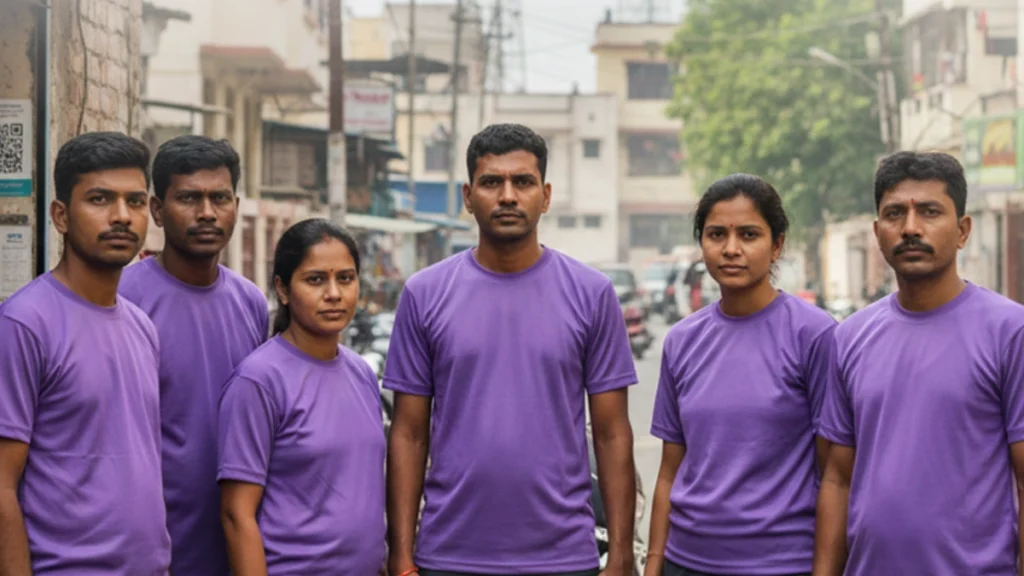
- Both Require Training: Both skilled and professional workers can perform without proper learning and practice.
- Both Contribute to the Economy: Every industry in India needs both technical and professional expertise for growth.
- Both Can Specialize: Both worker categories need to expert in their specific field to get more work opportunities.
- Both Need Experince: skilled and unskilled both need experience because experience improves efficiency, quality, and career opportunities.
- Both Are Valuable: Often, society depends on skilled and professional workers to fulfill their requirements.
Which Career Option is Better For Me?
There is no conclusive answer, because career options depend on your interests, goals, financial situations, and abilities. And, if you specialize in both career paths can provide stability, success, and good income.
Skilled Work May Be Better If You:
- Enjoy hands-on tasks
- Prefer practical learning
- Like technical or mechanical work
- Want self-employment opportunities
- Want to start working quickly
Professional Work May Be Better If You:
- Enjoy academic learning
- Are interested in research or consulting
- Can invest time in higher education
- Prefer analytical or managerial tasks
- Want leadership positions
Top Challenges Faced by Skilled Workers
- Limited social recognition: Skilled workers play a crucial role in state welfare, but often, Indian society gives more respect to office or professional jobs. Usually, their hard work may not always receive enough appreciation.
- Physical risks and demanding work conditions: Generally, skilled work involves physically hard tasks in heavy machines, tools, heat, noise, or dangerous materials. It can increase the risk of injuries and health problems.
- Job instability in some industries: In industries like manufacturing and construction, work may depend on the market demand for projects. Due to this unstable demand, workers may face temporary jobs, layoffs, and irregular income.
- Need for regular technical updates: Today, in this digital era, technology change quickly, so it is advised for skilled workers to always update their skills with new tools, machines, and methods.
- Competition due to Automation: Because of high technology, many modern machines and robots can now complete tasks previously done by workers, that lead less job opportunities.
Top Challenges Faced by Unskilled Workers
- High educational expenses: Professional workers often need higher education, such as degrees, training courses, or special certifications. Often, these studies can be very expensive, including tuition fees, books, and training costs.
- Workplace stress: Usually, many professionals face work pressure to solve problems, make decisions on time, and meet deadlines. Usually, it leads to stress and workload pressure. healthcare, IT, or management
- Long working hours: A professional’s job sometimes requires extra working time beyond normal hours, especially in fields like degrees, training courses, or special certifications. This leadstod difficulty to manage work life balance.
- Competitive job markets: the professional job market is competitive; to get a job, you must have strong skills and qualifications to get and keep good positions.
- Pressure to maintain certifications: Usually, professionals need to renew their license or certification time to time. To grab more opportunities or stay qualified, you must continue learning and passing exams or training.
Workerlly Mobile App and Its Role in Workforce Development

Workerlly is the fast-growing digital hybrid freelancer platform that connects skilled workers, professional workers, and employers on a single digital platform. It instantly connects job seekers with nearby, verified work providers who offer hourly-based, quick, real-time work opportunities that match your skills, location, and available time without hidden costs and middlemen-all in just a few clicks. Whether you are skilled, unskilled, a professional, a student, a retired individual, a homemaker, a working professional, or anyone looking for additional income, Workerlly welcomes everyone.
The Workerlly app allows you to maximize your income with complete freedom to choose your type of task based on your skills, preferred timing ( 1 hour, 2 hours, or more), location, and decide on an hourly rate. Say goodbye to middlemen, time-consuming interviews, hidden charges, high competition, rigid schedules, unverified jobs, or payment delay or issues. Now you can view a job description, location, timing, payment amount (smart bidding system), and genuine customer ratings before accepting the task.
Just add your basic details, such as name, age, skills, and KYC verification, and you are ready to start receiving nearby hourly jobs near me notifications. Loaded with advanced functions like live GPS tracking, instant real-time job alerts, in-app navigation, digital payment tracking, instant payouts, skill badges, verified profile benefits, and 24×7 support, our smart bidding system ensures you’ll never miss a nearby hourly gig and maximize your income by working for a few hours.
- Easy Access to Job Opportunities Based on Skills: The Workerlly app is simple and easy to use. With live GPS tracking and instant job notifications, the platform ensures you never miss nearby real-time job opportunities in your area. Just filter available jobs, add your skills, set your hourly rate, and start choosing hourly jobs that match your time and skill set.
- Promote On-Time Digital Payment: Once your assigned hourly job is completed, you’ll receive on-time payments from customers based on your hours, along with a digital invoice for clear payment records. Moreover, you can choose from multiple payment options such as UPI or wallet, making the process digital and reliable.
- Pre-Verified & Background-Checked Employers: The Workerlly mobile app is free from job scams and unverified employer profiles. Every job provider on the mobile app is verified. Additionally, you can rate and review clients based on the provided work environment and payment, which helps maintain transparency and ensures 100% safety and trust for everyone involved.
- Smart Bidding System (You Decide Your Rate): A Workerlly smart bidding system allows hourly jobs to choose how much they want to charge for each hourly job. Instead of accepting a fixed rate set by the customer, you are completely free to enter your own price based on your skills, experience, and the effort required for the hourly task.
- Reduce Employment by Increasing Job Visibility: At the Workerlly mobile app, before applying for an hourly job, candidates can check important information provided in the job listing. It includes the work location, hourly price, working hours, shift timing, tasks, and employer rating. With these details, you are free to decide that job is suitable for you.
People Also Ask
Do skilled workers need a degree?
Not always, most skilled workers learn through vocational training, apprenticeships, or practical experience.
What is the main difference between skilled and professional workers?
Skilled workers mainly perform technical or manual tasks, while professional workers focus on specialized intellectual or managerial work.
Are professional workers paid more than skilled workers?
Generally, yes, but highly skilled workers can also earn very high incomes.
Can a skilled worker become a professional worker?
Yes, with higher education and additional qualifications, a skilled worker can transition into a professional career.
Which is more important–skilled or professional workers?
Both are equally important because society and industries depend on both types of workers.
Final Thoughts
Choosing between a skilled or professional career depends on personal interests, abilities, and career goals. In 2026, Skilled workers and professional workers both play an important role in society and the economy. Skilled workers focus mainly on technical and practical tasks, while professional workers specialize in intellectual and managerial responsibilities.
And for a successful society, India needs both skilled and professional workers. So, instead of comparing which is superior, we should recognize the importance of both. This blog clearly explains “ What is the Difference Between Skilled and Professional Worker” with meaning, characteristics, examples, advantages, and major differences.